
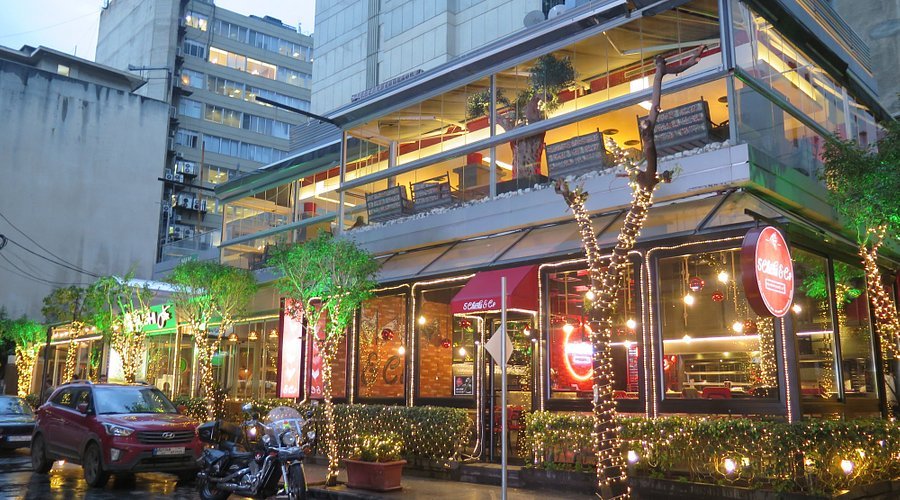

Hamra has long been more than a social or residential area — it is one of Beirut’s most active business districts. From small family-owned shops to professional offices and service providers, business activity is woven into Hamra’s daily rhythm.
Its central location, constant foot traffic, and diverse population make Hamra a natural environment for commerce to thrive.
Why Hamra Attracts Businesses
Hamra’s strength as a business area comes from its accessibility and visibility. Thousands of people pass through the neighborhood every day, creating consistent demand for goods and services.
Key advantages include:
-
Central location within Beirut
-
High pedestrian movement
-
Mixed-use streets (residential, commercial, educational)
-
Diverse customer base (students, professionals, visitors, residents)
This makes Hamra ideal for both small businesses and established service providers.
Types of Businesses in Hamra
Retail & Local Shops
Hamra is known for its dense concentration of retail businesses:
-
Clothing and shoe stores
-
Electronics and mobile shops
-
Pharmacies and beauty stores
-
Convenience stores and minimarkets
Most businesses are street-facing, encouraging walk-in customers and spontaneous purchases.
Food & Beverage Businesses
Restaurants and cafés are a major part of Hamra’s economy:
-
Casual eateries
-
Takeaway food spots
-
Coffee shops
-
Bakeries and dessert places
These businesses benefit from long operating hours and a steady flow of customers throughout the day and night.
Professional Services & Offices
Hamra also hosts many service-based businesses, including:
-
Medical clinics and laboratories
-
Law and consulting offices
-
Language centers and training institutes
-
Travel agencies and small corporate offices
Many are located in mixed-use buildings above street-level shops.
Hospitality & Short-Term Services
Due to its popularity with visitors, Hamra supports:
-
Hotels and serviced apartments
-
Hostels and guesthouses
-
Car rental and tourism services
These businesses rely heavily on Hamra’s reputation as a central and practical area to stay.
Small Businesses & Entrepreneurship
Hamra is especially friendly to small and independent businesses. Lower entry barriers compared to premium districts allow entrepreneurs to test ideas and adapt quickly.
You’ll often find:
-
Family-run shops
-
Long-standing local businesses
-
New startups sharing space with older establishments
This blend creates a commercial environment that feels resilient and flexible.
Daily Business Rhythm in Hamra
Business activity in Hamra follows a unique daily pattern:
-
Morning: services, offices, errands
-
Afternoon: retail, cafés, student activity
-
Evening: restaurants and social spaces
-
Late night: convenience stores and cafés
This extended cycle supports longer operating hours and steady income streams.
Challenges of Doing Business in Hamra
Like any dense urban area, Hamra presents challenges:
-
Traffic congestion
-
Limited parking
-
Older infrastructure in some buildings
-
High competition due to business density
However, many businesses succeed by relying on foot traffic, loyal customers, and adaptability.
Why Business Still Thrives in Hamra
Despite challenges, Hamra remains commercially strong because it is:
-
Constantly active
-
Socially diverse
-
Affordable compared to premium districts
-
Supported by students, residents, and visitors
The area doesn’t depend on one industry — its strength lies in variety.
Final Thoughts
Business in Hamra is not corporate or polished — it’s practical, visible, and deeply connected to everyday life. The neighborhood’s economy runs on interaction, movement, and accessibility.
Hamra proves that a city’s most powerful business districts are often the ones that feel most human.