
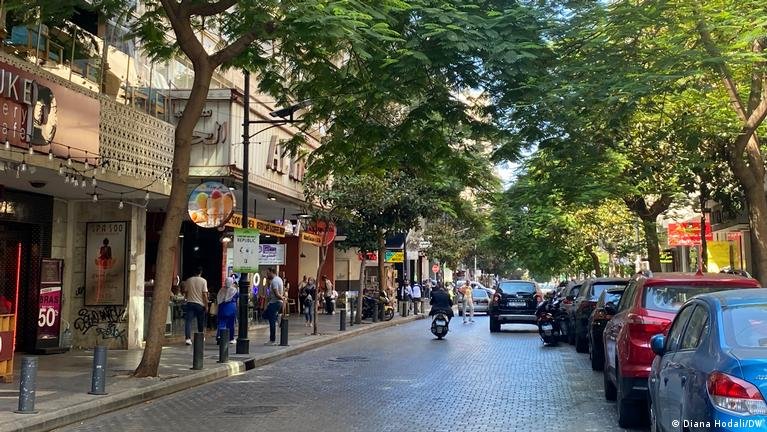

Hamra is often described as lively, but its true character is best understood through its souq-style streets — the everyday markets, shops, and informal commerce that keep the neighborhood moving. Unlike traditional enclosed souqs, the Souq of Hamra is spread across streets and side alleys, blending seamlessly into daily life.
This is where Hamra feels most local, practical, and alive.
What the Souq of Hamra Really Is
The Souq of Hamra is not a single market or building. It’s a network of streets, storefronts, kiosks, and vendors that serve the daily needs of residents, students, workers, and visitors.
It reflects Beirut’s urban style of commerce:
-
Open streets instead of gated markets
-
Small, specialized shops instead of large malls
-
Constant movement and interaction
Shopping here is part of the neighborhood’s rhythm, not a separate activity.
Main Streets That Form the Souq
Hamra Street
The backbone of commercial life in the area. Along this street, you’ll find:
-
Clothing and shoe stores
-
Electronics and mobile shops
-
Perfume and cosmetics stores
-
Pharmacies and convenience shops
Hamra Street balances retail with cafés and services, making it both a shopping and social space.
Side Streets & Alleys
Just off the main road, the souq becomes more local:
-
Tailors and fabric shops
-
Small grocery stores and produce sellers
-
Household goods and repair shops
-
Stationery and printing stores
These streets serve residents and students on a daily basis.
What You Can Buy in Hamra’s Souq
Clothing & Accessories
Hamra is known for affordable fashion. You’ll find:
-
Everyday clothing
-
Shoes and bags
-
Seasonal items
-
Locally sourced styles
Prices are often more accessible than shopping malls.
Books, Stationery & Media
With universities nearby, Hamra’s souq includes:
-
Bookstores
-
Printing and photocopy shops
-
Academic supplies
-
Music and media stores
These shops play a big role in student life.
Food & Daily Essentials
Markets and small shops sell:
-
Fresh fruits and vegetables
-
Baked goods and snacks
-
Spices and dry foods
-
Late-night essentials
Shopping here is quick, informal, and personal.
The Social Side of the Souq
The Souq of Hamra is not just about buying — it’s about interaction.
-
Shop owners know regular customers
-
Conversations happen on sidewalks
-
Bargaining exists but remains friendly
-
People stop, talk, and continue their day
This human connection is a defining feature of Hamra’s market culture.
Why the Souq Matters
Hamra’s souq keeps the area accessible and inclusive:
-
It supports small local businesses
-
It offers affordable options for daily life
-
It keeps streets active throughout the day
-
It reflects Beirut’s informal urban economy
Without its market life, Hamra would lose much of its identity.
Tips for Visiting the Souq of Hamra
-
Walk — the best discoveries are on foot
-
Explore side streets, not just the main road
-
Visit during the day for full activity
-
Carry cash for small shops
-
Take your time — this is not rushed shopping
Final Thoughts
The Souq of Hamra is not designed for tourists, yet it welcomes everyone. It’s practical, messy, colorful, and real — a reflection of Beirut itself. Here, shopping is part of life, and life happens in public.
To understand Hamra, you don’t need landmarks.
You just need to walk its souq.