

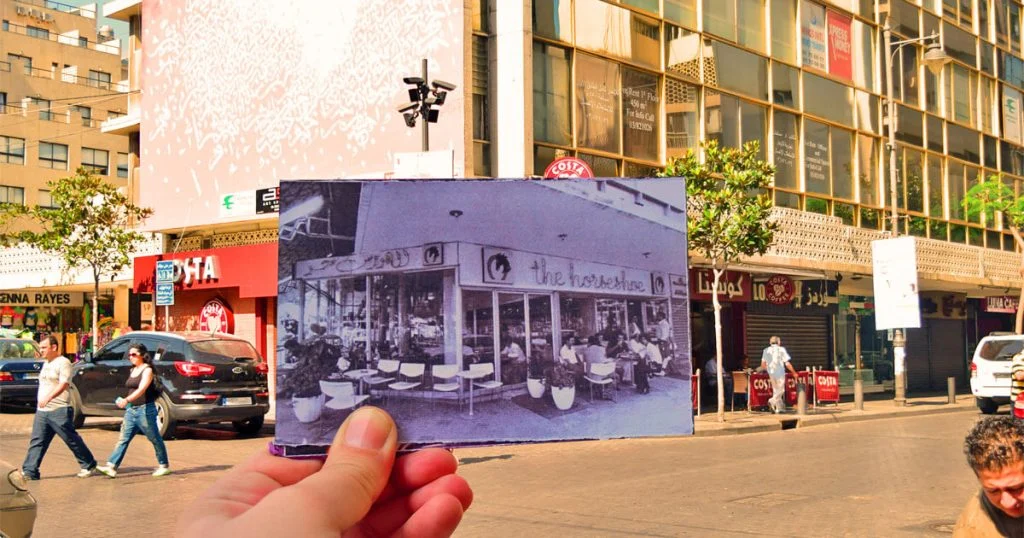

Hamra did not become one of Beirut’s most influential districts overnight. Its character was built gradually through education, commerce, culture, and everyday city life. Understanding Hamra today requires looking at how it evolved over time.
This is the story of Hamra as an urban space — not a monument, but a movement.
Hamra Before the City Expanded
Before becoming a central district, Hamra was on the edge of Beirut’s expansion. Over time, development pushed westward, and Hamra began transforming from a quiet area into a strategic urban zone connecting different parts of the city.
Its location made it a natural meeting point.
The Rise of Education & Culture
The establishment of major educational institutions nearby played a defining role in Hamra’s growth. Students, academics, and thinkers brought new energy into the area, leading to:
-
The growth of cafés and bookstores
-
Public discussions and cultural exchange
-
A reputation as an intellectual center
This period shaped Hamra’s identity as a place of ideas and conversation.
Commercial Growth & Street Life
As foot traffic increased, Hamra’s streets evolved:
-
Small businesses flourished
-
Markets and shops lined the sidewalks
-
Hotels and services followed
Hamra became a mixed-use district where living, working, studying, and socializing happened in the same space.
Adapting Over Time
Hamra has faced changes, challenges, and pressure from modernization. Yet instead of losing its identity, it adapted:
-
Older shops coexisting with new businesses
-
Traditional cafés beside modern spaces
-
Residents and newcomers sharing the same streets
This adaptability is one of Hamra’s greatest strengths.
Why Hamra Still Matters Today
Hamra remains influential because it is:
-
Inclusive and accessible
-
Socially diverse
-
Constantly in motion
-
Deeply connected to daily life
It doesn’t rely on landmarks — it relies on people.
Final Thoughts
Hamra’s story is not frozen in the past. It continues to unfold every day through students, residents, shop owners, and visitors. It is a reminder that the most important parts of a city are often the ones that are lived in, not just admired.
To understand Beirut, you don’t just visit Hamra —
you understand how it became what it is.